
From a talk for Sisters in Crime NorCal by Elizabeth K. Kracht, Literary Agent at Kimberley Cameron and Associates May 14, 2016.

Aim for a multi-dimensional plot. Exploit your characters for subplots.
Add themes for layering. 3 or 4 themes should run throughout your book. Make a list of your themes and check your chapters to be sure that 1 or more of the themes is present in each chapter.
There's plenty more to pay attention to during the revision process and Kracht suggests:


Recently I attended the monthly Sisters in Crime Northern California membership meeting where literary agent, Elizabeth K. Kracht delivered an excellent talk on how to prepare your manuscript for submission to an agent.The presentation covered the principles and conventions of good craft and appropriate mechanics, including formatting that applies, or should apply, to any written work being prepared for publication. As a developmental editor, I found her bullet points to be a checklist of what we need to look for when we set about to polish and format our work.
From the agent’s perspective, Kracht reminds us, an agent see only up to 50 pages of our manuscripts. She says the manuscript must be "the best you can provide" and "hold the agent’s divided and distracted attention" from servicing existing clients and dealing with the huge volume of queries she receives. Her tip? Send in work that needs only minor adjustments:
Kracht suggests : The Objective look
The first hour of the presentation Kracht devoted to formatting and structure. No one wants to read, let alone publish, a sloppy manuscript! I suggest you follow these guidelines before submitting work to your critique group, writing teacher and editor, as well as contest, agents and publishers.
Kratch says she doesn’t adhere to any specific style. She mentioned the Chicago Style Manual and I advise everyone should buy a copy.
You should follow the guidelines for each individual agent when submitting, but if you're sending work to Liz, this is what she wants:
Title page
Page numbers
Double spacing
Contact info in header
12 pt font
Proper indentation (5 spaces)
Standard margins
New chapters starting on new pages
If using epistolary information, offset from the margin

Use uniform chapter lengths or a good, logical reason chapters are mixed long and short. TIP: Chapters in genre novels run 12-15 pages and slightly longer in literary fiction.
Present alternating narratives (POV) in a pattern
Show POV shifts uniformly (new chapter, line drops, astericks)
Show breaks within chapters uniformly
Chapter headings and sub headings used uniformly
Uniform use of epigraphs, quotes, taglines or other similar information
Sections or Parts: rethink using this technique.
Vignettes: if using vignettes, make them meaty and gripping

1 to 3 word titles stand out. (Liz likes them best.)
Double entendres might work for you
The title ties to theme and content—Is your setting a major influence?
TECHIE TIP: Check Wordle.net for most common words. You may find words for theme and you may discover repetition. Or it's just fun to play with.
TIP: Run an Amazon search for your title. Title’s can’t be copyrighted so you may find yours in use.
TASK: Make a list of all the themes in your book and find strong commonality to pull key words from. Your title (especially on Amazon) can be developed from most used /common keywords.
Is your word count appropriate for the genre? Google genre word counts. If you need to cut, look at:
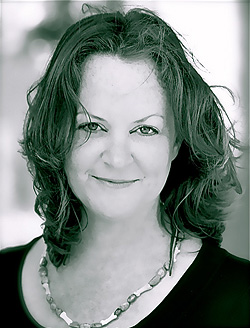
Elizabeth is currently an agent with Kimberley Cameron and Associates, works with She Writes Press, and works with private editing clients.
Elizabeth's career in publishing took root in Puerto Rico where she completed her BA in English and worked as a copyeditor for an English-language newspaper. When she returned to the mainland she found her "vein of gold" in book publishing. She thrives on working closely with authors to build their careers.
Elizabeth's eclectic life experience drives her interests. She appreciates writing that has depth, an introspective voice, and is thematically layered. Having lived in cities such as New York, San Francisco and San Juan, Puerto Rico, she is compelled by multicultural themes and characters and is drawn toward strong settings.
She represents both literary and commercial fiction as well as nonfiction, and brings to the agency experience as a former acquisitions editor, freelance publicist and writer.