


Since last week's post, I haven't misplaced my keys once. I've accomplished some writing and sent out queries. The bills are paid, the garden is watered, and I've managed to meditate most days. Things are looking up. Already I feel calmer, happier and have improved my outlook on the future. Am I waking up?
I looked into the benefits of meditation and learned that it reduces stress, pain and stress related inflammation from conditions like arthritis and asthma as it lowers blood pressure and slows Alzheimer's disease. Wow! Scientists say that mindfulness meditation might be as effective as antidepressants for treating anxiety. In The Art of Meditation by Janice Dunn published in TIME's Special Edition: Mindfulness, The New Science of Health and Happiness, the author says doctors are recommending meditation for insomnia and irritable bowel syndrome. She says it take about eight week of practice to decrease stress, but I'm already feeling less hurried and ready to roll with the punches with the boost of serotonin, dopamine and endorphins my mindful brain is releasing.
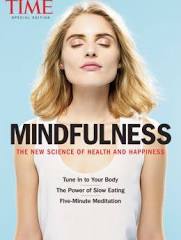
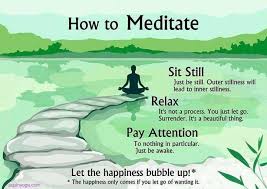
So what is mindfulness meditation, or vipassana practice? It's a way to "develop stillness in the midst of activity" according to Jack Kornfield. Vipassana means to "see things as they really are" and the practice emphasizes mindful attention and develops immediate awareness of our experience in our activities. It teaches us to be present and alive. As Alan Watts said, ". . .It consists in being completely sensitive to each moment, in regarding it as utterly new and unique, in having the mind open and wholly receptive."
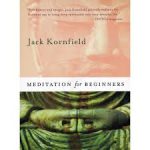


The leader of my Spiritual Center, Edward Viljoen, writes in his book, The Power of Meditation, "Observing life through meditation with less 'unnecessary added meaning' to what was happening inside and outside allowed reality to come into clearer focus." It "opened the door to an infinity of ideas and awarenesses," which he wondered how he's managed without. I'm wondering about those ideas too.
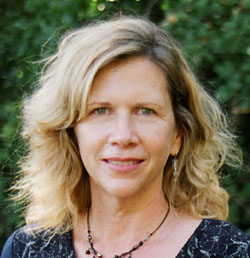 I started a new five-week meditation workshop today, Resiliency and Happiness. The series offers mindfulness based meditative techniques and Yoga Nidra for finding resiliency and happiness in the midst of challenges. It's my second series with Petaluma's Rhonda Gerhard, and this afternoon we explored intention in a guided meditation. Fixing on a couple of key words and keeping them in my mind throughout the meditation, I already feel like I'm on track to living in intention.
I'm also energized and alert. These are effects of Yoga Nidra, a state of deep relaxation combined with awareness. This practice calms the nervous system and allows practitioners to receive a subtle flow of energy throughout their bodies. There's nothing like resting in a state of harmony. It's better than sleep! Not only do your brain waves slow down, but you can neutralize body sensations , like pain, stress, negative emotions and feelings, and even neutralize beliefs—part of that intention development. At the end of the hour, I came away with a sense of calm and well-being. Just what I needed, especially after receiving unsettling news today.
In the past I might have eaten a bowl of ice cream and veged-out in front of mindless TV after bad news. I certainly wouldn't have gotten supper on the table a half hour earlier than usual, enjoyed a lively conversation with my husband as we ate, cleaned up and come back to the office to write my post—and feel really great about it. I'm happy to be here and looking forward to my next task too. By bedtime, I'll have ticked off everything on my TO DO list and read another chapter of The Power of Meditation.

Yesterday was the longest day of the year. I didn't get my writing done. I didn't get my revision done. I didn't get my blog posted. What did I do all day? What do I do any day?
How can I stop churning and start winning?
Let’s consider this for a moment:
I began at 7:30 with coffee and laundry. Next I paid my mother’s bills and prepared the checks for the mail. I reordered a prescription on-line, brought our checkbook up to date and made my list of errands before showering, dressing and inhaling the breakfast my darling short-order cook made (bless his heart).

“ Looking up, I noticed I was late. . . “
I jumped into the car and made it into my seat at the lecture on medieval tapestries (I’m researching a poem) as the lecturer took the podium.  Back home, I inventoried the refrigerator and pantry while I ate crackers and apricots for lunch, planned the next week’s menus and made a grocery list for my Wednesday run to Oliver’s (senior discount day). I started salad greens soaking in filtered water for our dinner (served with sliced tomato, radish, egg, potato, chicken and tuna—refreshing on another hot evening) and went to my office to complete the waiting list of tasks: new bio for the new website, update my credits’ list, grab covers and web addresses for the anthologies I’ve published in.
“ Looking up, I noticed I was late. . . “ The Post Office was going to close in ten minutes. I gathered the letters and parcels needing postage and flew. . . .
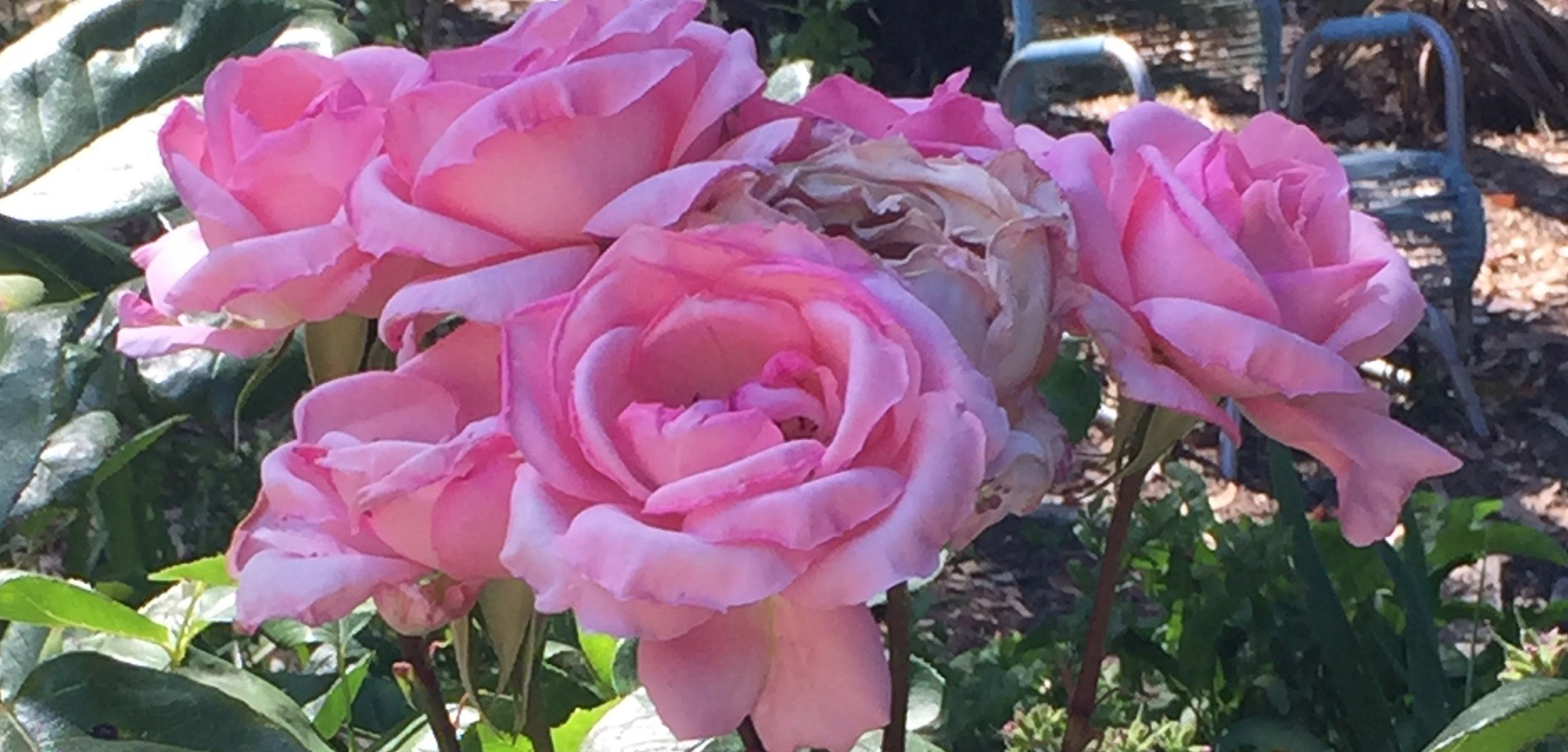
Back in the office I finished a volunteer proofreading assignment for the next Redwood Writers anthology and and returned to the kitchen (after a pass through my garden to smell the roses) and made dinner, ate and washed up.
 Suddenly it was after nine and I hadn't written, let alone posted, a blog entry, worked on the book review now due, or worked on the revision of my second novel—a lot of zeros on my checklist.
Time is ticking by and I’m exhausted. I feel like a total loser because another day, another half year has gone by and I haven’t done my work.
I read an article in the Huffpost recently by Abigail Williams called "5 Secrets of People Who are Always Organized." Here’s what she says:
 So what am I going to delegate? Certainly not the shopping, dinner preparation or laundry. I’d be thrilled to stop housework, but if not me, who? My husband is earning a living (and anyway, he takes out the garbage and mows). He'd gladly hire a housekeeper—when I earn enough to pay for her. Drop my fiduciary responsibilities to my aged Mother and our family business? But as a retired accountant I'm so well qualified. Stop volunteering? Let my garden turn into a brambly weed patch? Quit my job? No, no, and no! I love my work, and my garden is my sanity keeper.
What's the solution? Less TV? Less sleep? Less socializing?
I'm going to add a sixth secret to Abigail's list: