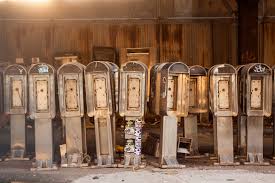
15 items or less
express lane
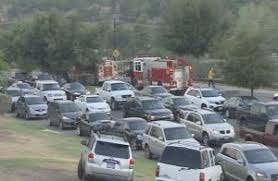
in heavy traffic
woman shares
answers to questions
near the
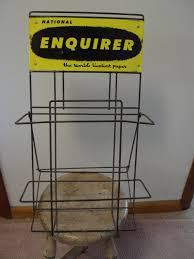
National Enquirer rack
"We packed the RV
then unpacked
got another advisory
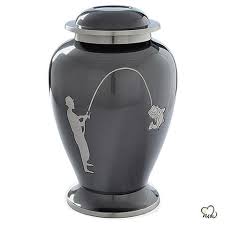
my brother in the urn
put back in the house"
Mom takes him back
to the RV
can't decide
to take him or not
Dad said to leave him
"he's only ashes anyway"
Mom said, "yeah
but that's all I've got
of him, he's goin."
She left his message
of not being home
"to leave a message"
on the phone
seven years
since his passing
his voice lets you know
that he and she
are not at home.
Evacuated
she calls their number
hears his voice
calls five times a day
said "if he answers
I know our home
is safe from the fire"
Each time she listens
to his recorded voice
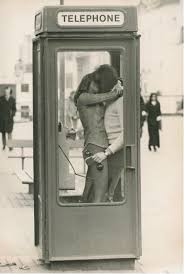
she kisses the receiver.

M
"Fire Season" takes on new meaning in Sonoma and Napa Counties, California. Now a month after the night fires raged through our mountains and valleys, cities and vinyards, homesteads and housing complexes, people are telling their stories.
Memoirist Lynn Hakes' Napa neighborhood wasn't evacuated or burned. They were some of the lucky ones, but the disaster didn't leave anyone untouched. Here is her story.

Waking up to a red glow in the bedroom, I wondered what was happening. Was it the end of the world? Then I smelled it – smoke. Out of bed in a flash, I peeked outside and saw nothing. The radio! Maybe there’s something on the radio. The dreaded words shot through me like a bullet: “…fire in the Napa Valley.”
“Quick, grab your bathrobe.” I muttered to myself out loud. Flying down the stairs, tripping on the last step, turning on the TV, there it was. Crackling fire; embers flying everywhere. Announcer in a blue jacket standing in front of blazing pine trees. This was a big deal.
My husband followed, and we settled down to watch, he in his recliner and I on the couch. We were rapt, struggling to understand what we were seeing and hearing. No thoughts of coffee; no thoughts of breakfast, we sat there wide-eyed for the rest of the morning. Will it come to Napa? Should we be prepared to run?
Well, we should probably get ready. Grab the birth certificates and the passports. A few family pictures off the wall; the albums are too heavy. Address book, purse, phones, medications. Clothes? What do you wear to an evacuation? Is there gas in the vehicles?
Phone calls came from family and friends out of state. “We’re OK. We’ll call you if that changes.”
I don’t remember getting dressed or eating that morning. Longing to help in some way, we tore ourselves away from the TV and made the rounds of the shelters, offering to volunteer or bring food or water. We were too late; there were already enough people with offers of help. They turned us away.
Back at home we sat glued to the TV the rest of the day and into the evening. Again, the next day. And the next. We were safe. A few miles east, a few miles west, people lost everything. Why were we spared?
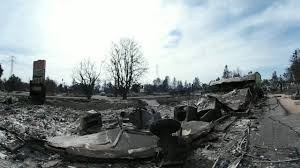
As the days went by, gratitude replaced fear and anxiety. Gratitude for our safety; gratitude for the firefighters, the medics, the brave souls who worked together to warn, to help evacuate, to organize the shelters, to feed people. And compassion for those who lost homes, businesses and loved ones. Struggling to imagine their losses and their feelings, I knew I couldn’t come close.
Hearing more and more stories of loss, my feelings of guilt crept in. Survivors’ guilt, they call it. What do I do with that? Are there lessons to be learned? Be a little more tuned into people, their stories, their fears, their feelings from now on? Could more caring and compassion replace guilt?
Is it possible to find blessings in the ashes?